Parent-Child Brain Game Routines: Making Family Learning Fun
Kickstart your family's journey with daily parent-child brain games! Establishing at-home routines to play and learn together not only boosts kids' cognitive skills, but also strengthens family bonds. This guide offers practical strategies, a sample routine template, and tips for adapting enrichment activities for every child.
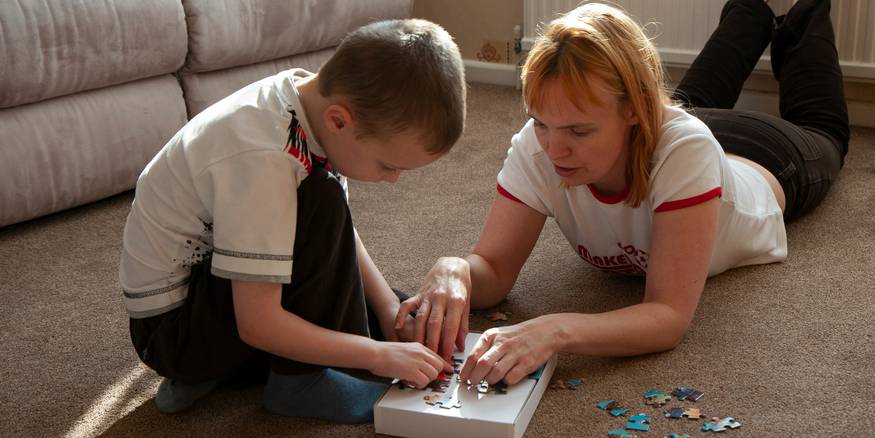
Why start a parent-child brain game routine? Regularly playing brain games as a family cultivates critical thinking, memory, and creativity in children—while giving everyone a chance to bond and have fun. Making brain games a family habit transforms everyday moments into opportunities for growth and learning.
Why Brain Game Routines Matter
Parent-child brain games at home offer more than simple entertainment—they’re a foundation for lifelong learning. Research shows that family learning routines for cognitive development can enhance:
- Focus and attention span
- Short and long-term memory
- Problem-solving and logical reasoning
- Emotional resilience and patience
- Communication and teamwork skills
When parents participate in daily brain games for children, they model curiosity, persistence, and a love of learning—essential values for every child’s success. Learn more about nurturing cognitive skills.
Getting Started: Setting Up At-Home Brain Game Routines
- Pick a Consistent Time: Choose a time that works for your family—after dinner, weekend mornings, or before bedtime. Consistency turns brain games into a habit.
- Involve Your Child: Let kids help select games or activities, boosting their engagement and buy-in. Rotate who chooses each session for variety.
- Set Simple Goals: Decide on a focus for the week—memory, logic, creativity, or teamwork. Use a tracking tool or simple chart to celebrate progress.
- Keep It Short & Fun: Sessions of 10–20 minutes are ideal for most children. End each session on a positive note, regardless of outcomes.
Tip: Family learning routines for cognitive development work best when they’re flexible and enjoyable—don’t worry about perfection!
Types of Brain Games for Different Ages
Memory Games
- Card matching, sequence recall, “What’s Missing?”
- See fun memory games
Logic & Puzzle Games
- Riddles, Sudoku, pattern challenges, deduction games
- Try logic puzzles
Creative Thinking Games
- Story starters, “What if?” scenarios, creative building challenges
- See creative thinking activities
Screen-Free & Group Games
- Charades, scavenger hunts, board games, “20 Questions”
- Try group learning activities
Quick Tip: Rotate different types of games each week to keep your family’s routine fresh and challenging!
Sample Weekly Brain Game Routine Template
| Day | Activity | Focus |
|---|---|---|
| Monday | Memory Game Night | Recall, Attention |
| Tuesday | Creative Storytelling | Imagination, Verbal Skills |
| Wednesday | Family Logic Challenge | Problem-Solving |
| Thursday | Math Puzzle Race | Numerical Reasoning |
| Friday | Visual Challenge | Observation, Spatial Skills |
| Saturday | Group Game Adventure | Teamwork, Communication |
| Sunday | Free Choice (Child Picks) | Ownership, Motivation |
- Modify the routine to fit your family’s schedule—consistency is more important than perfection.
- Keep sessions short and celebrate effort, not just success.
- Let children create their own games for extra engagement.
Tips for Engagement & Overcoming Challenges
- Make it Fun: Use playful language, silly challenges, or rewards like choosing the next game.
- Stay Flexible: If schedules change, adapt by doing a quick brain game during a car ride or meal.
- Encourage Sibling Participation: Let siblings collaborate or compete in teams.
- Overcome Disinterest: Offer choices or let the child design a game. Take turns leading sessions for variety.
- Track Progress: Use stickers or a chart to motivate continued participation. Learn more about tracking tools.
Adapting for Learning Differences: Every child is unique. Adjust games for attention spans, reading levels, or sensory needs. For more guidance, visit supporting kids with learning differences.
Integrating Brain Games with Family Life
- Play a quick brain game while waiting for dinner or during bedtime wind-down.
- Use car rides for verbal games or memory challenges (“Name That Tune”, “I Spy”).
- Involve grandparents or other caregivers to expand the fun and learning.
- Try screen-free brain games to limit device time.
- Make brain game night a regular family tradition—share laughs and celebrate effort together.
Related Resources & Guides
Kids’ IQ Test
Fun, age-appropriate test for children with printable results and instant feedback.
Brainteasers
Creative riddles and challenges for all ages—ideal for family learning routines.
Memory Games
Boost recall skills with playful, screen-free and digital memory activities.
Creative Thinking Activities
Encourage imagination and out-of-the-box problem solving with these fun prompts.
Supporting Kids with Learning Differences
Adapt brain game routines for every child’s unique needs and learning style.
Screen-Free Brain Games
Ideas for unplugged enrichment—no devices required.
Further Reading & Resources
- Fun Group Learning Activities
- Creative Problem Solving Games
- Enrichment Activities for Gifted Kids
- Parental Guide to IQ Testing
Ready to build a family habit of learning? Explore our full library of games for visual-spatial skills, cognitive skill development tips, and more.
Family Enrichment Guides
Try These Next
Family learning routines can be a foundation for lifelong skills and joyful connection. Explore more enrichment ideas throughout our site!