Fun Group Learning Activities for Kids
Discover engaging group learning activities, teamwork games, and collaborative challenges designed to boost children’s cognitive and social skills. Perfect for classrooms, home, and enrichment programs, these hands-on experiences help kids learn, connect, and grow together.
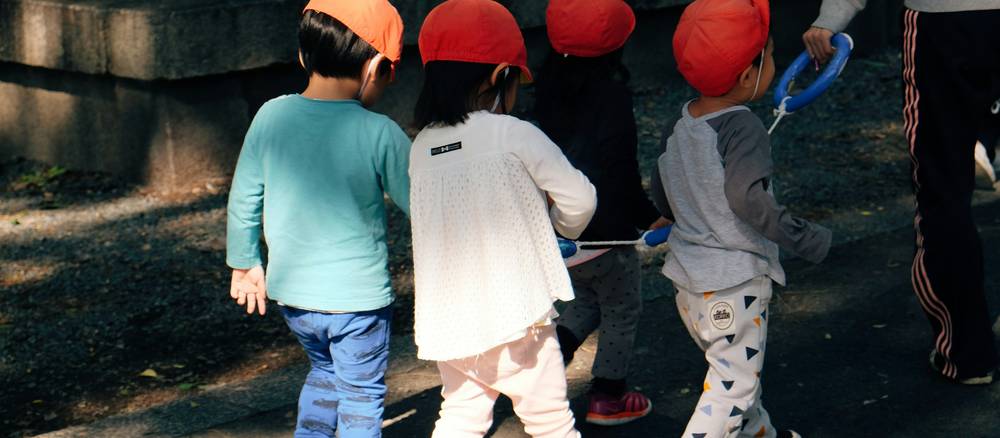
Group learning activities are structured experiences where children work together towards shared goals—solving problems, creating projects, or playing games that require teamwork. These activities are essential for developing social, cognitive, and emotional skills, helping kids build friendships, empathy, and a love for learning. Whether in a classroom or at home, group learning empowers children to communicate, cooperate, and grow through interactive play and collaboration.
Benefits of Group Learning for Children
Cognitive
- Enhanced problem-solving & critical thinking
- Improved adaptability & flexible thinking
- Boosted creativity through idea sharing
Social & Emotional
- Stronger communication & active listening
- Empathy & understanding others’ perspectives
- Leadership & conflict resolution skills
Academic & Practical
- Deeper learning via discussion and teamwork
- Increased motivation & engagement
- Real-world skills for lifelong learning
Types of Group Learning Activities
Children work together to achieve a common goal—solving puzzles, completing creative tasks, or reaching targets as a team. These games foster trust, accountability, and communication. See our logic puzzles collection and brainteasers for group-friendly ideas.
Fun, interactive challenges—like relay races, obstacle courses, or group problem-solving hunts—require kids to cooperate, strategize, and motivate each other. Try our creative problem solving games for more inspiration.
Group art, music, or storytelling projects encourage children to express themselves while working towards a shared vision. Activities like collaborative mosaics or build-a-story circles help kids appreciate diverse ideas and talents. See creative thinking activities for more.
Designed for gifted or advanced learners, these activities involve multi-age groups or higher-level challenges. See our enrichment activities for group ideas that stretch critical thinking.
In-Depth Examples: Group Learning Activities
Build-a-Story Circle
Children sit in a circle and take turns adding a sentence to a collaborative story. This activity sparks creativity, active listening, and language skills.
Ages: 6–12 | Materials: None | Outcome: Creative thinking, cooperation
STEM Bridge Challenge
Teams use simple materials (straws, tape, paper) to build a bridge that can hold weight. This engineering project encourages planning, teamwork, and hands-on problem solving.
Ages: 8–12 | Materials: Straws, tape, small weights | Outcome: Engineering, collaboration
Mystery Object Relay
Teams pass a bag containing an unknown object. Each child feels the object (without looking) and describes it to the group. At the end, the team guesses the object. This game builds communication, descriptive skills, and teamwork.
Ages: 7–11 | Materials: Bag, everyday objects | Outcome: Communication, deduction
Group Art Mosaic
Each child creates a small piece of art; all pieces are combined to form a large mural or collage. This project highlights teamwork, creativity, and appreciation of individual effort within a group.
Ages: 6–12 | Materials: Paper, colors, glue | Outcome: Creative collaboration, group pride
Outdoor Problem-Solving Hunt
Teams complete a scavenger hunt or series of puzzles in an outdoor area. Each clue or challenge must be solved collaboratively before moving on. This activity combines movement, critical thinking, and peer support.
Ages: 7–12 | Materials: Clue cards, outdoor space | Outcome: Problem-solving, physical activity, teamwork
Tips for Successful Group Learning
- Set clear goals and explain the rules before starting each activity.
- Mix age groups or skill levels for diverse teamwork experiences.
- Encourage every child to participate; rotate roles and responsibilities.
- Model and reinforce positive communication and respectful listening.
- Be flexible—adapt activities for different group sizes and abilities.
- Use engaging games from our brainteasers, problem-solving games, and parent-child routines.
- Celebrate group achievements, not just individual success.