Visual Challenges & Observation Puzzles for Kids
Sharpen your observation skills, attention to detail, and logical thinking with our interactive collection of visual challenges for children. These brain games are designed to be fun, engaging, and perfect for boosting cognitive skills!
Visual puzzles and observation games are more than just entertaining—research shows they help develop essential cognitive abilities like focus, pattern recognition, and spatial reasoning. By practicing visual challenges, children can strengthen their attention span, learn to spot important details, and become more confident problem-solvers. These skills support academic success in reading, math, and science, and help kids process visual information quickly and accurately. Visual puzzles are also a great way to boost perseverance and teamwork, whether played solo or in groups.
Types of Visual Challenges & Their Benefits
- Spot the Difference: Compare two similar images and find the differences. Benefits: sharpens focus, attention to detail, and visual discrimination.
- Pattern Completion: Find the missing piece or complete a visual sequence. Benefits: boosts pattern recognition, sequencing, and logic.
- Visual Logic: Solve puzzles that require understanding how shapes or images relate. Benefits: enhances spatial reasoning and critical thinking.
- Hidden Object: Search for specific items in a busy scene. Benefits: improves scanning, memory, and sustained attention.
Parent & Teacher Guide: Making the Most of Visual Puzzles
- Use as Warm-Ups: Start lessons or homework with a quick visual puzzle to activate focus and boost engagement.
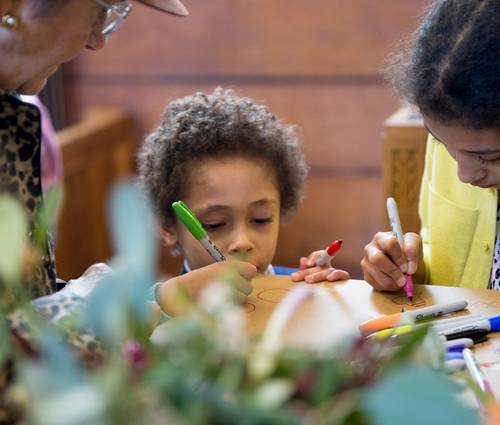
- Group Activities: Let children work in pairs or teams to solve puzzles together—encourages discussion, cooperation, and sharing strategies.
- Differentiate by Ability: Adjust difficulty by choosing puzzles with more or fewer details, or allow extra time for children who need it. For advanced learners, add extra challenges like timed rounds or multi-step logic puzzles.
- Verbalize Thinking: Encourage kids to explain what they see, describe differences, or talk through their logic. This builds language and reasoning skills alongside visual processing.
- Celebrate Progress: Praise persistence and creative approaches, not just speed or accuracy. Over time, track improvement to build confidence.
- Hands-On Variation: Try using real objects (blocks, cards, shapes) for physical visual puzzles or create your own spot-the-difference scenes at home.
Try a Visual Challenge!
● ▲ ● ▲ ?
Why Play Visual Puzzles?
- Improves observation and attention to detail
- Strengthens logic and critical thinking
- Encourages persistence and problem-solving
- Fun for all ages—great for family or classroom use
Helpful Tips for Solving Visual Challenges
- Take your time and look carefully at all the details.
- Look for differences in color, shape, size, and position.
- Practice regularly to improve your observation and speed!
- Don’t be afraid to ask for hints or work with a friend.
Visual Challenges FAQ
- No personal info required
- Expert-reviewed activities
- COPPA-compliant educational content
- No downloads or sign-up needed