Boost Kids' Cognitive Skills
Unlock your child’s full potential with practical, evidence-based strategies and fun activities that nurture memory, attention, problem-solving, and creative thinking. Designed by experts to be both engaging and effective for elementary-aged kids.
Understanding Cognitive Skills
Cognitive skills are the core mental abilities that enable children to learn, solve problems, and adapt to new situations. According to developmental psychology and leading educational research (e.g., Piaget, Vygotsky, and recent reviews in Child Development journals), major cognitive domains include:
- Memory – The ability to store and recall information. Essential for following instructions, reading comprehension, and learning new material.
- Attention – Focusing and sustaining mental effort, filtering distractions, and shifting focus when needed.
- Logic & Reasoning – Making sense of information, identifying patterns, and drawing conclusions from evidence.
- Creativity – Generating original ideas, flexible thinking, and innovation in solving problems.
Nurturing these skills early on supports not just academic success, but also resilience, adaptability, and lifelong learning.
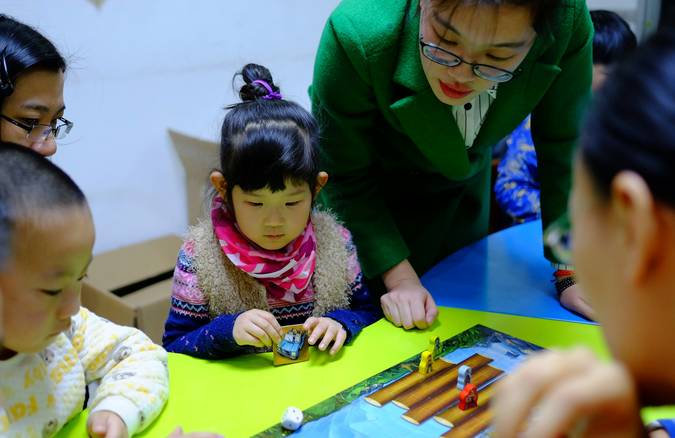
How to Assess Cognitive Development
Parents and teachers can observe and support cognitive growth without formal testing. Here are practical ways to assess and encourage cognitive development:
- Observe Everyday Tasks: Notice how your child remembers routines (like packing a school bag), solves simple problems (like finding lost items), and follows multi-step instructions.
- Ask Open-Ended Questions: During reading or play, ask “Why do you think that happened?” or “How could we do this differently?” Listen to the reasoning and creativity in their responses.
- Use Play-Based Assessments: Games like Simon Says (for attention and memory), puzzles (logic and spatial skills), and storytelling (language and creativity) offer insight into cognitive strengths.
- Classroom Tips: Teachers often track progress through observation checklists, group activities, and project-based learning, noting how students collaborate, persist, and adapt to new challenges.
Tip: Support growth by celebrating effort and progress, not just correct answers or high scores.
Evidence-Based Tips to Boost Cognitive Skills
Research highlights that small, consistent changes in daily routines can significantly improve children’s cognitive abilities. Here’s how to put science into action:
-
Encourage Playful Learning:
Board games, puzzles, and brainteasers foster logic, memory, and flexible thinking. For example, playing a game of logic puzzles as a family builds problem-solving skills in a low-pressure setting.
-
Read, Tell Stories & Ask Questions:
Regularly reading together and discussing stories enhances language, comprehension, and reasoning. Ask your child to predict what happens next or explain a character’s choices.
-
Mix Physical Activity with Thinking:
Games that require movement and quick thinking (like scavenger hunts or memory games) boost attention and working memory. For example, try a “find the object” game where clues must be remembered and followed in sequence.
-
Foster Curiosity & Problem-Solving:
Invite your child to ask "why" and "how"—then brainstorm solutions together. For instance, if a toy breaks, talk through how to fix it, encouraging step-by-step reasoning.
-
Limit Passive Screen Time:
Opt for interactive, educational games over passive video watching. Try our visual challenges for screen time that stimulates the mind.
-
Practice Mindfulness:
Simple breathing exercises or mindful coloring help children learn to focus and self-regulate. For example, take 5 deep breaths together before starting homework.
-
Encourage Collaborative Projects:
Team up for science experiments, building projects, or group games. Collaboration teaches flexible thinking and social problem-solving skills.
-
Provide Opportunities for Choice:
Let children choose activities or projects to pursue. This builds motivation, autonomy, and investment in learning.
-
Model Lifelong Learning:
Share your own curiosity—explore a new topic together or admit when you don’t know something and research the answer as a team.
Fun Activities to Try at Home and School
- Simon Says (Memory & Focus): Take turns giving and following instructions. Try making the sequence longer each round for added challenge.
- Story Building (Creativity): Each person adds a sentence to a story—see where your imagination takes you! Encourage silly, unexpected twists to stretch creative thinking.
- Math in the Kitchen: Measuring, counting, and comparing while cooking or baking strengthens math and logic. Ask questions like “How many more cups do we need?” or “What happens if we double the recipe?”
- Spot the Difference: Print or play visual puzzles to improve observation and visual processing. Challenge siblings or friends to see who can spot differences the fastest.
- Brain Games Online: Explore our curated math games and other games designed to challenge and excite. Try to beat your own score each time you play!
- Memory Tray: Place several objects on a tray, let your child observe for a minute, then cover and ask them to recall as many as possible. Increase difficulty by adding more objects or less viewing time.
- Build a Maze: Use blocks, books, or tape on the floor to create a maze for a small toy. Ask your child to solve it, then have them design a new maze for you!
- Nature Scavenger Hunt: Make a list of items to find outside (like a pine cone, a red leaf, a round stone). This encourages attention, memory, and categorization skills.
- Collaborative Drawing: One person starts a drawing, others take turns adding details. This boosts creativity and teamwork.
- Teach-Back: After learning something new, ask your child to explain it to you or a sibling. Teaching others reinforces understanding and memory.
Common Challenges and Misconceptions
- “My child just isn’t good at this.” – All children can improve cognitive skills with encouragement and practice. Avoid labeling or comparing; instead, focus on effort and growth.
- “Only expensive tools or apps work.” – Many of the best activities are simple, free, and tech-free, like storytelling, puzzles, or everyday problem-solving.
- “More is always better.” – Kids need downtime and unstructured play, too. Balance structured activities with rest and free exploration.
- “If it’s not academic, it doesn’t count.” – Games, art, music, and play all contribute to cognitive growth and often build skills that formal academics don’t touch.
- “Progress should be fast.” – Growth takes time. Celebrate small steps and progress, not just big leaps.
If you’re concerned about persistent challenges, consider consulting with an educational specialist or psychologist for additional support.
Recommended Books, Games, & Resources
“Mind Games for Kids” (Book)
A collection of puzzles, riddles, and brainteasers for ages 6-12. Provides hours of screen-free fun and builds logic and memory.
“The Everything Kids’ Puzzle Book”
Packed with crosswords, math puzzles, and creative challenges. Great for travel or quiet time at home.
“Simon” (Electronic Memory Game)
A classic electronic game that builds memory and attention. Play solo or with friends for a competitive twist.
“Rush Hour” (Logic Game)
A hands-on puzzle game that develops sequencing, logic, and problem-solving. Suitable for independent play and group challenges.
“BrainQuest” (Card Game Series)
Portable, quiz-style cards that cover a range of subjects and cognitive skills. Ideal for car rides or quick family challenges.
Online Resources
Explore our Logic Puzzles, Memory Games, and Brainteasers pages for free, interactive activities to play at home or in the classroom.
Explore More Resources
Games for Cognitive Skills
Interactive games that boost memory, logic, and creativity for kids.
See GamesHow Brain Games Help Kids Learn
Dive deeper into the science behind playful learning and brain growth.
Read ArticleSupporting Kids with Learning Differences
Strategies and resources for children with unique learning needs.
Learn More- No personal information required
- Expert-created content
- Safe, ad-free games (when ads are disabled)
Ready to Keep Growing?
Explore more ways to support your child's learning journey:
- Parental Guide to IQ Testing – Tips and expert advice for parents supporting cognitive development.
- Understanding IQ Scores – Learn how to interpret and use IQ results as part of a holistic approach.
- Enrichment Activities for Gifted Kids – Discover creative and challenging activities for advanced learners.