Logic Puzzles for Kids
Sharpen your mind with our collection of fun, challenging logic puzzles designed just for kids! Explore interactive challenges, printable activities, and expert tips that make learning to think logically a blast.
- For ages 6-12
- Age-appropriate & safe
- Boosts reasoning skills
Why are logic puzzles so valuable for kids? According to cognitive science and educational research, solving logic puzzles helps children strengthen skills like deductive reasoning, pattern recognition, and critical thinking. They also promote persistence, frustration tolerance, and the ability to break down complex problems into manageable steps. Engaging with puzzles regularly can support academic success, especially in reading, math, and science, and foster a love of learning that lasts a lifetime.
Sources: National Association for Gifted Children, "Cognitive Benefits of Puzzles in Early Childhood" (Child Development Journal), and classroom integration studies.
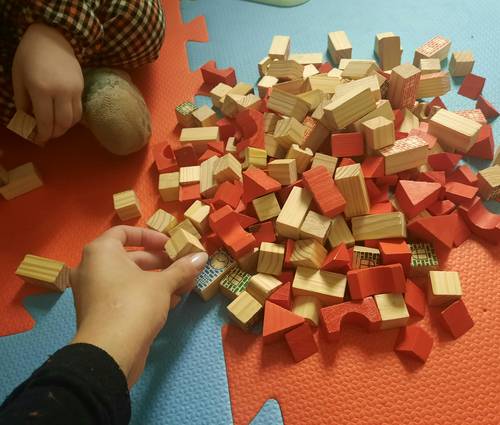
Types of Logic Puzzles for Kids
-
Sequence Puzzles
Children figure out what comes next in a pattern or series. Example: "What comes next: 2, 4, 8, 16, ...?" (Answer: 32) -
Deduction / Who's Who
Using clues to determine relationships or solve mysteries. Example: "Ben is taller than Ava. Mia is shorter than Ben but taller than Ava. Who is the shortest?" -
Pattern Puzzles
Spotting visual or number patterns. Example: "Which shape completes the sequence?"
-
Word & Riddle Logic
Solving puzzles that use words or language tricks. Example: "A basket has 5 apples. You take away 2 apples. How many apples do you have?" (Answer: 2) -
Grid-Based Puzzles
Filling a grid using clues (like mini-Sudoku or logic grids). Example: "Place 1-4 in each row and column with no repeats—what number fits?" -
Visual/Spatial Logic
Solving puzzles that require moving, arranging, or matching objects. Example: "Three cups are upside down. You can flip any two at a time. Can all cups be right side up?"
Guide: Integrating Logic Puzzles Into Learning
- Start Simple, Scaffold Up: Begin with short, visual, or concrete puzzles. Gradually increase complexity as confidence grows. For example, move from matching games to multi-step deduction puzzles.
- Make it a Routine: Add a logic puzzle to breakfast, car rides, or as a warm-up in class. Consistency helps build skills without pressure.
- Think Aloud: Model your own reasoning out loud. Say, “If Ben is taller than Ava, and Mia is shorter than Ben, then...” This helps kids learn problem-solving steps.
- Encourage Collaboration: Let children work in pairs or small groups to discuss and debate solutions. Group puzzles foster teamwork, communication, and new strategies.
- Use Mistakes as Learning: Emphasize that getting stuck or making mistakes is part of the process. Praise persistence and creative approaches, not just quick answers.
- Diversify Puzzle Types: Rotate between sequence, visual, word, and grid puzzles to keep things fresh and reach different learning styles.
How Logic Puzzles Build Key Skills
- Problem-Solving: Puzzles teach kids to break down big challenges into smaller steps, test ideas, and revise their thinking.
- Persistence: Working through tough puzzles builds "grit" and a growth mindset. Kids learn that effort, not just talent, leads to success.
- Frustration Tolerance: Not every puzzle is solved quickly. Learning to pause, try a new approach, or ask for a hint helps children manage frustration and bounce back from setbacks.
- Transferable Skills: Logic puzzles support math, reading comprehension, and even social reasoning by strengthening attention, memory, and flexible thinking.
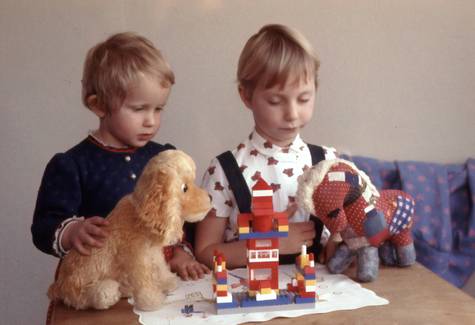
Try These Interactive Logic Puzzles!
How to Solve Logic Puzzles
Logic puzzles help you practice step-by-step reasoning. They often give you clues, and the goal is to use those clues to find the answer. Start by reading all the information, think about what each clue tells you, and eliminate impossible options. With practice, you'll get better and faster at solving these fun challenges!
More Fun Logic Puzzles for Kids
The River Crossing
A farmer needs to carry a wolf, a goat, and a cabbage across a river. The boat can only carry the farmer and one other item at a time. If left alone together, the wolf will eat the goat, and the goat will eat the cabbage. How can the farmer get all three safely across?
Show Solution
The Birthday Riddle
Sam is younger than Alex but older than Mia. Mia is older than Jordan. Who is the youngest?
Show Solution
Spot the Pattern
What comes next in the pattern? 2, 4, 8, 16, ...
Show Solution
The Cup Switch
Three cups are placed upside down in a line. You can turn over any two cups at a time. All cups start facing down. Is it possible to get all cups facing up?