Educational Content Spotlight: How Brain Games Help Kids Learn
Our Educational Content Spotlight is your in-depth hub for research-backed strategies, guides, and enrichment activities designed to support children's learning and cognitive development. Curated for parents, educators, and students, this section highlights the best ways to integrate brain games, creative activities, and evidence-based techniques into daily routines—at home and in the classroom. Whether you're seeking fresh ideas, proven methods, or a deeper understanding of how play and learning intersect, you'll find expert insight and practical resources here.
- Explore the science and real-world impact of brain games and enrichment activities.
- Discover how we select and review featured content, ensuring it aligns with cognitive development goals and educational best practices.
- Access actionable tips, sample routines, myth-busting insights, and specific strategies for adapting activities to all learners.
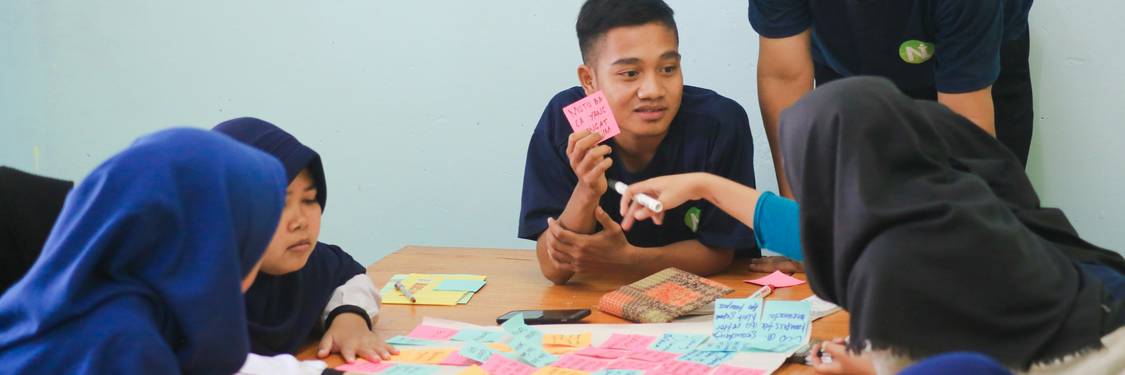
How We Select Featured Content: Our Criteria
Every guide and resource showcased in the Educational Content Spotlight is carefully chosen based on:
- Evidence-Based Practices: We prioritize activities and strategies supported by educational research and proven cognitive science, ensuring every featured resource delivers real learning value.
- Expert Review: All content is reviewed by experienced educators, child psychologists, or curriculum specialists for accuracy, age-appropriateness, and practical application.
- Cognitive Development Alignment: Resources are selected to support memory, logic, reasoning, problem-solving, creativity, and attention—key skills for lifelong learning.
- Diversity & Adaptability: We feature a broad range of activities, with guidance for adapting them to different ages, abilities, and learning environments.
- Safety & Accessibility: All spotlighted content is COPPA-compliant, ad-free or age-appropriate, and accessible for both home and classroom use.
The Science Behind Brain Games & Learning
Brain games do more than entertain—they actively shape the brain’s ability to learn, adapt, and solve problems. Decades of research show that thoughtfully designed games and puzzles can enhance working memory, attention span, processing speed, and even emotional regulation in children.
Key studies: A 2022 meta-analysis published in Developmental Science found that regular engagement with logic puzzles can boost reasoning and fluid intelligence in elementary students. Research in the Journal of Educational Psychology highlights that visual memory games improve attention and recall, especially when paired with classroom instruction. Real-world classroom trials show that even 10 minutes of daily brain games lead to measurable improvements in math fluency and reading comprehension.
- Memory Games (like matching and sequencing) boost working memory and retention.
- Logic Puzzles enhance reasoning, deduction, and creative problem-solving skills.
- Math Challenges improve numerical fluency, flexible thinking, and pattern recognition.
- Visual Challenges (spot-the-difference, pattern puzzles) strengthen observation and spatial awareness.
– Adapted from recent research in cognitive development
Ms. Lee’s 2nd grade class started each day with a 12-minute brain game routine: one memory game, one logic puzzle, and a group math challenge. After just six weeks, students not only scored higher on classroom assessments but also displayed greater persistence when tackling difficult problems. Parents reported children were more eager to talk about what they learned and showed improved confidence in tackling new tasks at home.
Actionable Takeaway: Consistency matters—short, daily brain game sessions can make a big difference in both academic and real-world skills.
Common Pitfalls & Myths About Brain Games
- Myth: “Brain games are just play and don’t support real learning.”
Fact: High-quality brain games are designed to target specific cognitive skills—memory, logic, attention, and more. When embedded within routines, they reinforce academic concepts and social skills. - Myth: “All brain games are equally effective.”
Fact: Games must be age-appropriate, well-structured, and varied. Repetitive or overly simple games don’t provide the same developmental benefits as those that challenge and engage. - Pitfall: “Too much emphasis on competition can discourage some learners.”
Tip: Focus on personal bests, teamwork, or creative solutions rather than only winning or speed. - Myth: “Only gifted children benefit from brain games.”
Fact: All children, regardless of ability, benefit from brain games, which can be adapted to different developmental and learning needs.
Integrating Brain Games Into Daily Learning
Incorporating brain games into everyday routines doesn’t require major changes—it’s about consistency and intentionality. Here’s how to make brain games a regular part of learning at home and school:
- Start Small: Dedicate 10-15 minutes per day to brain games before homework, during a classroom transition, or as a family activity after dinner.
- Mix It Up: Rotate between memory, logic, math, and visual challenges to keep things fresh. For example, Mondays could be logic puzzles, Wednesdays for memory games, Fridays for creative brainteasers.
- Make It Social: Encourage group play—siblings, classmates, or parent-child teams. Cooperative games foster communication and teamwork skills.
- Connect to Academics: Use brain games that reinforce classroom topics (e.g., math games to practice multiplication, logic puzzles to support reading comprehension).
- Adapt for Environment: In the classroom, use games as warm-ups or transitions. At home, integrate them into routines like morning prep, car rides, or bedtime.
- Monday: Logic Puzzle (before breakfast)
- Tuesday: Memory Game (after school)
- Wednesday: Visual Challenge (class transition or family activity)
- Thursday: Math Game (homework warm-up)
- Friday: Creative Thinking Activity (family night or group project)
Supporting All Learners: Adapting Brain Games
Every child is unique, and brain games can be tailored to suit a wide variety of learning needs and preferences:
- For Children with Learning Differences: Use games with clear instructions and visual supports. Break activities into smaller steps, offer choices, and allow extra processing time. Try hands-on or movement-based games for children who find sitting still challenging. See our Supporting Kids with Learning Differences guide for detailed strategies.
- For Gifted or Advanced Learners: Increase game complexity, introduce open-ended creative thinking tasks, or use group challenges. Our Enrichment Activities for Gifted Kids page offers more ideas.
- For Reluctant Participants: Let children choose which games to play. Use favorite themes (e.g., animals, sports) to increase engagement. Praise effort and creative approaches rather than just correct answers.
- For Diverse Age Groups: Encourage older children to lead games or adapt rules for younger siblings. Select activities that can be scaled up or down in difficulty.
For more inspiration on adapting brain games for all learners, visit Creative Thinking Activities and Fun Group Learning Activities.

Types of Brain Games & Their Benefits
Memory Games (Explore)
- Enhance short-term and working memory
- Support retention of new information
- Boost focus and attention to detail
Math Challenges (Try Now)
- Develop numerical fluency and confidence
- Encourage flexible thinking with numbers
- Reinforce pattern recognition and logic
Logic Puzzles (See Puzzles)
- Strengthen reasoning and deduction skills
- Build problem-solving strategies
- Increase perseverance and attention
Visual Challenges (View Activities)
- Improve spatial awareness and visual processing
- Boost attention to detail and pattern finding
- Encourage creative and flexible thinking
Expanding the Spotlight: New Themes & Regular Updates
We continuously review educational research and classroom trends to bring you new guides and spotlights on topics that matter. Upcoming themes will include:
- Collaborative Problem Solving: Group games and teamwork activities that foster social skills and creative thinking.
- STEAM & Art Integration: How combining science, technology, engineering, arts, and math enhances cognitive growth.
- Parent-Child Brain Game Routines: Practical plans for building lasting family learning habits at home.
- Creative Storytelling & Imagination: Using play and narrative to grow language and divergent thinking skills.
- Adapting Games for Diverse Needs: More strategies for inclusion and accessibility in brain-based learning.
Check back regularly for fresh, actionable ideas and new evidence-based resources. Our goal is to provide a growing library of trusted, practical content for every family and classroom.