Best Visual-Spatial Games & Activities for Kids
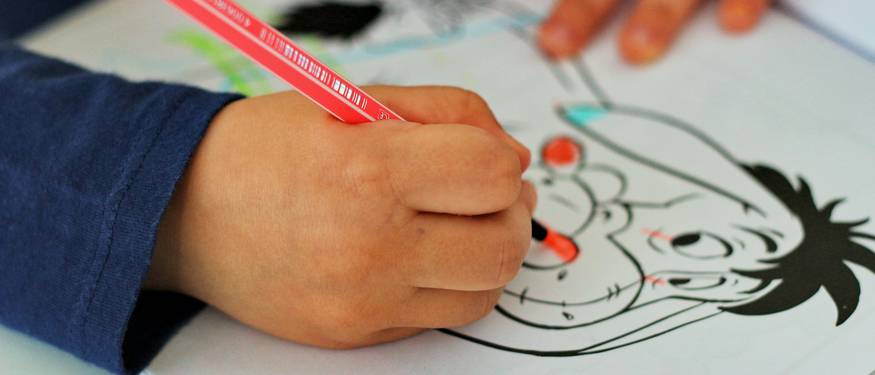
Explore top visual spatial games, activities, and hands-on learning ideas designed to boost spatial reasoning and visual intelligence in children. From block-building games to creative puzzles and outdoor challenges, discover how to nurture essential skills that support academic and lifelong success.
What Are Visual-Spatial Skills?
Visual-spatial skills refer to the ability to understand, visualize, and manipulate objects and spaces. According to Howard Gardner’s theory of multiple intelligences, spatial intelligence is one of our core capacities—used for interpreting maps, solving puzzles, building structures, drawing, and even navigating everyday environments. Children use these skills when reading diagrams, assembling toys, recognizing patterns, and understanding how parts fit together.
Why Visual-Spatial Skills Matter for Kids
Strong visual-spatial skills form the foundation for success in STEM subjects (science, technology, engineering, and math), art, reading, and practical daily tasks. Research shows that children with well-developed spatial reasoning perform better in math and science and are often more comfortable with problem-solving and creative thinking. These skills also help with sports, dance, and navigating new places. Signs a child may need extra support include difficulty with puzzles, copying shapes, or understanding spatial directions.
Best Types of Visual-Spatial Games
There are many engaging ways to develop spatial intelligence through play. Here are some top categories and examples:
- Building & Construction Games: Wooden blocks, magnetic tiles, LEGO sets, 3D construction kits, and digital simulation games encourage kids to design and manipulate structures.
- Puzzle Games: Jigsaw puzzles, tangrams, sliding tile puzzles, pattern block sets, and online spatial logic apps all challenge children to recognize shapes, rotate pieces mentally, and complete visual patterns. See more visual brain teasers
- Memory & Matching Games: Memory games that require recalling positions, matching cards, or replicating patterns from memory help reinforce both spatial and visual memory. Explore memory games
- Drawing & Visualization: Activities like drawing from memory, copying complex figures, or designing objects encourage kids to visualize and execute ideas spatially. Try creative thinking activities
- Outdoor & Physical Games: Obstacle courses, scavenger hunts, and direction-following games use large-scale spatial reasoning and promote active learning.
Practical Visual Learning Activities
- Obstacle Course Creation: Use pillows, boxes, and tape to build an indoor or outdoor obstacle course. Challenge children to navigate by following verbal directions or maps.
- Map-Reading & Treasure Hunts: Draw simple treasure maps and have children search for hidden objects, practicing orientation and symbol recognition.
- Design & Build Contests: Provide everyday materials (cups, paper, sticks) for kids to build bridges, towers, or creative structures. Award points for stability, height, or originality.
- Simon Says—Spatial Edition: Give instructions using position words (left, right, above, below, behind) to strengthen spatial vocabulary and movement.
- Pattern Blocks & DIY Tangrams: Print pattern block mats or cut your own tangram shapes to solve or create new puzzles. Printable enrichment worksheets
Choosing the Right Games for Your Child
When selecting visual-spatial games, consider your child’s age, interests, and skill level. Younger children may enjoy simple block play and matching games, while older kids may prefer complex puzzles, 3D model kits, or digital apps. Rotate game types often, and look for activities that challenge but don’t frustrate. Mixing hands-on and digital play keeps learning fresh and supports a range of spatial skills. Encourage spatial talk—discuss shapes, directions, and positions during daily routines (e.g., setting the table, packing bags, or drawing maps).
Develop Visual-Spatial Skills at Home & School
Integrating visual-spatial games into daily routines at home and school helps children build confidence and enjoy learning. Use puzzles or construction games as family activities. Teachers can incorporate spatial reasoning into math, science, and art lessons. For children with learning differences, adapt activities as needed and celebrate progress. Explore even more logic puzzles for spatial reasoning and creative problem-solving games for kids to encourage flexible thinking.