Family Cognitive Challenge Night
Create lasting family memories, boost brainpower, and strengthen bonds with a Family Cognitive Challenge Night! This guide shows parents how to organize a fun, screen-free evening full of brain games and activities, with tips for multi-age families, engaging routines, and celebrating every achievement.
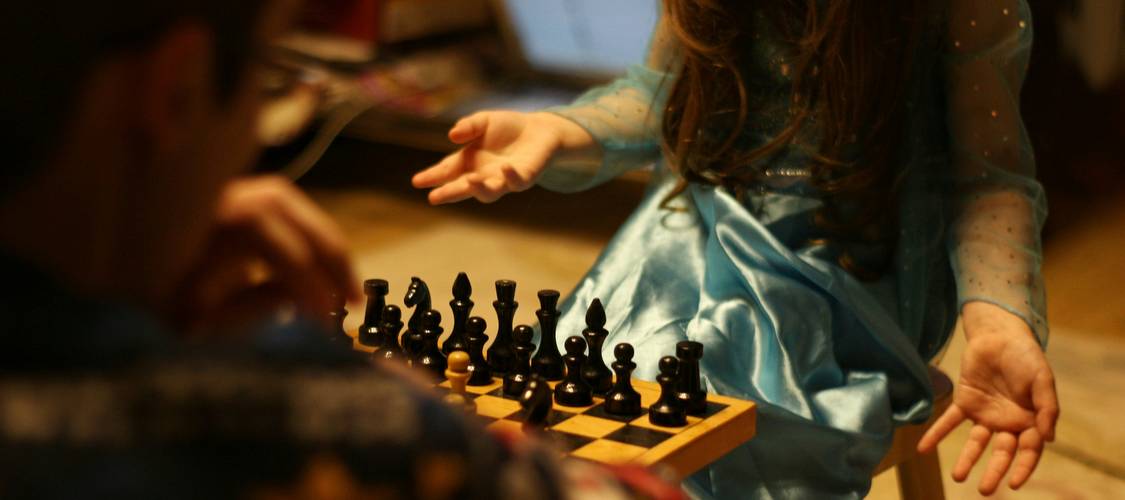
How to Organize a Family Cognitive Challenge Night
- Pick a Date & Time: Choose a consistent evening—weekly or monthly works best. Involve kids in choosing when and how often.
- Set Goals: Decide if you want to focus on a specific skill (memory, logic, teamwork) or just have fun. Clear goals help guide game selection.
- Involve Everyone: Let children suggest favorite games or activities and rotate who helps set up each week.
- Balance Fun & Learning: Choose games that challenge different cognitive skills, such as memory, logic, verbal reasoning, or spatial awareness.
- Consider Ages: Mix easy and challenging games so everyone can participate. Many classics can be adapted for younger or older kids.
- Rotate Activities: Try new games each time to keep things fresh and exciting.
- Explore More: Visit Screen-Free Brain Games for more ideas.
- Minimize Distractions: Turn off TVs, put away devices, and clear a space for play.
- Gather Materials: Prepare any cards, boards, timers, or printable trackers in advance.
- Set the Mood: Use music, snacks, or themed decorations to make the night special.
- Structure the Evening: Start with a warm-up game, rotate who explains rules, and keep sessions short (10–20 minutes per game).
- Be Flexible: If a game isn’t working, switch it up. The goal is fun and engagement, not perfection.
- Encourage Teamwork: Mix up teams or roles to promote cooperation and reduce competition stress.
- Celebrate Wins: Recognize effort, teamwork, and creativity—not just winning.
- Reflection: Ask kids what they liked, what was tricky, and what they want to try next time. Use a tracker or journal to note progress.
- Plan Ahead: Let the family pick the next night’s theme or game together.
Family Brain Game Night Ideas for All Ages
Boosts: Short-term memory, teamwork
Lay out a set of cards (pairs face down). Teams take turns flipping two, aiming for a match. Fast-paced and great for all ages. See more memory games.
Boosts: Reasoning, deduction, focus
Work together or compete to solve riddles or logic puzzles. Adapt difficulty for different ages. Explore logic puzzles.
Boosts: Visual-spatial skills, sequencing
Use blocks or household items to copy or create patterns. Kids can take turns being the "pattern master." Try visual challenges.
Boosts: Language, quick thinking
One player says a word, next must quickly say a related word. Keep the chain going—great for laughs and vocabulary. Try more brainteasers.
Boosts: Imagination, verbal reasoning
Each player adds a sentence to a group story. Add props or picture cards for fun twists. See creative activities.
Boosts: Calculation, number sense, speed
Teams solve quick math problems in turns. Use dice, cards, or a chalkboard. Try math games.
Preparation Tips for a Stress-Free Family Game Night
- Keep rules simple and flexible—adapt games so all ages enjoy.
- Have a backup game ready in case one falls flat.
- Encourage siblings to work in pairs or teams to minimize rivalry.
- Prepare snacks and drinks in advance to avoid interruptions.
- Let kids take turns being the "game master" for extra motivation.
- Use visual schedules or checklists for children who benefit from routine.
Tips for Engaging Kids in Cognitive Activities
- Rotate Game Masters: Let different family members lead each round to boost confidence and participation.
- Theme Nights: Pick a theme (e.g., Detective Night, Memory Masters, Math Olympics) and decorate or add music for atmosphere.
- Flexible Rules: Allow kids to suggest new twists or "house rules" for extra fun.
- Small Rewards: Stickers, extra storytime, or “pick the next game” privileges keep engagement high.
- Celebrate Effort: Praise creativity, teamwork, and risk-taking—not just correct answers.
- Keep Sessions Short: 10–20 minutes per game is ideal for most children.
Sample Routines & Templates for Family Brain Night
| Week | Theme | Lead Game Master | Main Activity |
|---|---|---|---|
| 1 | Memory Masters | Parent | Memory Match Relay |
| 2 | Logic Night | Oldest Child | Logic Puzzle Challenge |
| 3 | Creative Thinking | Youngest Child | Creative Story Spinners |
| 4 | Math Olympics | Alternate Parent | Math Relay Race |
| 5 | Free Choice | Rotate | Kids Pick |
Tracking Progress & Celebrating Achievements
Tracking progress makes cognitive challenge nights even more rewarding! Use simple printable trackers, sticker charts, or a whiteboard leaderboard. Celebrate milestones with themed nights, homemade certificates, or family "achievement badges." For easy-to-use printable templates and digital tools, visit Cognitive Skill Tracking Tools.
- Use a table or chart to record who won each game, showed great teamwork, or tried a new skill.
- Let kids decorate their own "brain game badges" for each achievement.
- Celebrate with a special snack, movie night, or the winner choosing the next theme.
| Player | Games Played | Best Skill | Badge Earned |
|---|---|---|---|
| Sam | Memory, Logic | Teamwork | Memory Master |
| Mia | Math, Creative | Quick Thinking | Math Whiz |
| Alex | Logic, Word | Creativity | Wordsmith |
Related Resources & More Brain Game Ideas
How to establish brain game routines for daily learning and enrichment.
Printable trackers, digital tools, and tips for measuring learning progress at home.
Family Cognitive Challenge Night FAQ
The key to engaging all ages is flexibility and variety. Choose games that can be easily adapted in difficulty, such as memory relays (use more cards for older kids, fewer for younger ones), or team up younger children with adults or older siblings. Rotate games to highlight different skills—sometimes focusing on logic, other times on creativity or teamwork. Let each child take turns being "game master" so everyone feels involved. If possible, set up parallel activities (e.g., coloring or simple puzzles) for very young children. Above all, keep the mood light and celebrate effort from everyone.
Reluctance can be overcome by making the experience as positive and low-pressure as possible. Start with games your child already enjoys, offer choices, and allow them to help select or even invent new games. Use small incentives (like getting to choose a snack or the next activity) and emphasize that the goal is fun, not competition. Praise effort and creativity, not just correct answers. If a child prefers watching at first, let them join in when ready—sometimes observing is the first step to participation. For more ideas, see our Parent-Child Brain Game Routines guide.
Tracking progress can be as simple as keeping a family journal, using a sticker chart, or updating a leaderboard after each game night. Look for patterns: Is your child getting faster at memory games? Are they showing more creativity in storytelling? For structured tools and printable templates, check out our Cognitive Skill Tracking Tools page. Celebrate milestones with fun certificates or themed nights to reinforce positive growth.