Gifted Child Profiles: Understanding Traits, Characteristics & Support
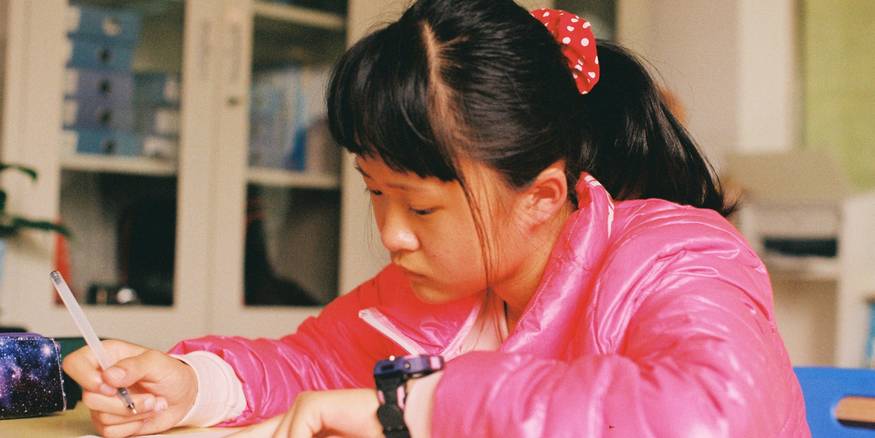
Gifted child profiles offer a window into the unique strengths, learning styles, and support needs of highly capable children. Understanding these profiles helps families and educators recognize signs of giftedness early and provide the right environment for enrichment and growth. This guide explores the traits, identification, and support strategies essential for nurturing gifted learners—whether at home or in the classroom.
What is a Gifted Child Profile?
A gifted child profile is a holistic overview of a child’s intellectual abilities, creative talents, learning preferences, and potential areas of challenge. More than just test scores, these profiles help parents and educators understand how a child thinks, learns, and interacts with the world. Gifted profiles are often used to guide educational planning, tailor enrichment activities, and ensure that each child’s unique needs are recognized and met.
Signs of Giftedness in Children: What to Look For
Giftedness expresses itself in many ways—not only through academics but also in creativity, motivation, and emotional depth. Here are key traits and behavioral signs that may indicate a gifted profile:
- Advanced reasoning and problem-solving — Quickly grasps complex concepts, enjoys puzzles, and asks deep questions.
- Exceptional memory — Easily recalls facts, instructions, or experiences.
- Rapid learning — Masters new skills or subjects faster than peers.
- Unusual curiosity — Asks persistent and probing questions about how things work.
- Creativity and imagination — Shows originality in drawing, storytelling, or play.
- Strong sense of justice — Demonstrates empathy and concern for fairness.
- Heightened sensitivity — Responds intensely to emotions or sensory experiences.
- Perfectionism — Sets very high standards for self, sometimes leading to frustration.
- Asynchronous development — Intellectual ability may exceed emotional or social maturity.
Note: Not all gifted children display every trait. Profiles can vary widely, and giftedness is found in all backgrounds and learning styles.
Identification & Assessment: How Are Gifted Children Recognized?
Identifying giftedness involves a combination of observation, formal testing, and considering a child’s learning environment. A thorough assessment may include:
- Teacher and parent observations of advanced abilities or behaviors
- Standardized IQ tests for children and interpretation of IQ scores
- Achievement tests in reading, math, or other subjects
- Portfolios of creative work or problem-solving tasks
- Multi-faceted assessments to avoid cultural or language bias
For parents interested in understanding the process, our Parental Guide to IQ Testing and History of IQ Tests for Children provide additional insight.
Supporting Gifted Children: Strategies for Parents & Educators
Gifted learners thrive in environments that recognize their advanced abilities while supporting their social and emotional growth. Effective strategies include:
- Differentiated instruction: Providing advanced or in-depth work within the regular classroom.
- Enrichment activities: Explore enrichment activities for gifted kids and cognitive skill development tips.
- Flexible learning pathways: Allowing for acceleration in areas of strength.
- Social-emotional support: Addressing perfectionism, sensitivity, and peer relationships.
- Advocacy: Working with schools to ensure gifted needs are met.
- Supporting learning differences: See Supporting Kids With Learning Differences for guidance on twice-exceptional (2e) children.
Challenges Gifted Children May Face
While giftedness brings many opportunities, it can also present challenges. Some gifted children may experience:
- Asynchronous development: Intellectual and emotional maturity may be out of sync.
- Social isolation: Difficulty relating to same-age peers or feeling misunderstood.
- Underachievement: Boredom or lack of challenge may cause disengagement.
- Perfectionism or anxiety: Pressure to meet high expectations.
- Twice-exceptional (2e) challenges: Gifted children with learning differences may be overlooked.
Further Reading & Related Topics
- Enrichment Activities for Gifted Kids
- Cognitive Skill Development Tips
- Gifted vs. High Achieving Children
- Gifted Education Programs Explained
- Supporting Kids With Learning Differences
- Parental Guide to IQ Testing
- Understanding IQ Scores in Children
- History of IQ Tests for Children
- Frequently Asked Questions